
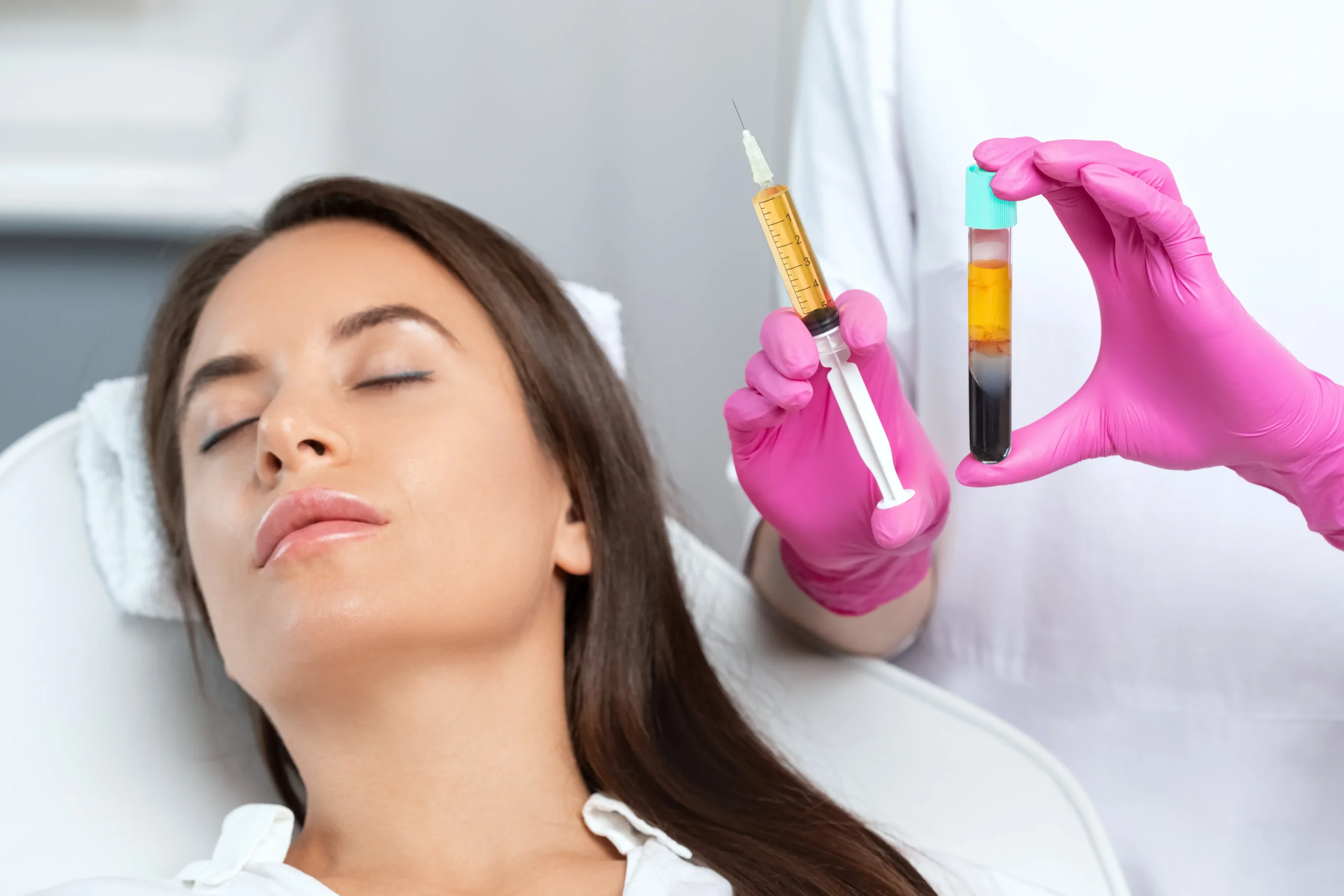

Skin rejuvenation has quietly shifted from surface-level solutions to something far more intelligent. Treatments that activate your body’s own repair systems rather than relying on synthetic shortcuts. That’s exactly where PRF injections come into focus.
For patients seeking results that feel natural, gradual, and deeply restorative, regenerative therapies have become a preferred path. While PRP has long held its place in aesthetics, platelet-rich fibrin therapy is now redefining expectations by offering a more advanced, sustained approach to healing and renewal.
This isn’t about a dramatic, overnight transformation. It’s about restoring what your skin already knows how to do: repair, rebuild, and glow from within. If you’ve been weighing your options between PRP and PRF, understanding their differences can help you move forward with clarity and confidence.
Inside PRF: A Closer Look at the Science
To fully appreciate the benefits of PRF, it helps to understand what sets it apart at a biological level.
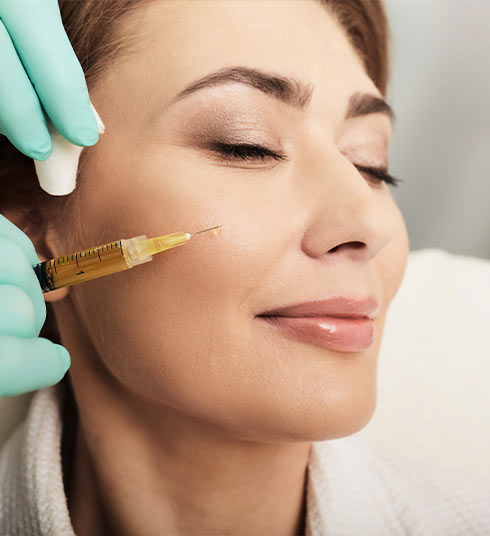
PRF injections are created using your own blood, carefully processed to concentrate powerful regenerative components. Unlike earlier treatments, PRF preserves a rich blend of platelets, white blood cells, fibrin, and stem cell signaling factors. Each plays a role in tissue repair and rejuvenation.
Key elements of PRF include:
- A high concentration of natural growth factors that stimulate collagen production
- A fibrin matrix that acts as a scaffold for sustained healing
- White blood cells that support tissue regeneration and immune response
- A slow-release mechanism that extends the benefits over time
Because of this composition, PRF treatment doesn’t just improve the skin’s appearance. It actively supports healthier skin function. Patients often choose PRF for areas that require both rejuvenation and subtle volume, such as under the eyes or along fine lines.
A PRF facial can also be used to enhance overall skin tone, texture, and elasticity, making it a versatile option for those seeking comprehensive natural skin rejuvenation.
The Evolution from PRP to PRF
Before PRF gained traction, PRP (platelet-rich plasma) was widely recognized as a breakthrough in regenerative aesthetics. It introduced the concept of using your own blood-derived growth factors to improve skin quality.
However, advancements in processing techniques led to the development of PRF. A treatment that builds upon PRP’s foundation while addressing its limitations.
PRP is typically spun at higher speeds, separating platelets quickly but limiting the presence of other beneficial cells. PRF, by contrast, is processed more gently. This preserves a broader spectrum of regenerative elements, creating a more complete and biologically active solution.
The result is a treatment that feels less like a temporary boost and more like a sustained investment in your skin’s long-term health.
Breaking Down the Differences That Matter
While PRP and PRF may seem similar at first glance, their differences become clear when you look at how they perform in real-world applications. This is where PRF begins to stand out in meaningful ways.
1. A More Complete Regenerative Profile
PRP focuses primarily on platelets, delivering a concentrated dose of growth factors in a relatively short window. While effective, this approach can feel limited in scope.
PRF, on the other hand, includes not just platelets but also white blood cells and fibrin. This combination creates a more dynamic environment for healing. It supports collagen production, improves circulation, and enhances overall tissue quality.
For patients, this translates into results that go beyond surface improvement—skin that feels stronger, more resilient, and visibly healthier.
2. The Power of Slow Release
One of the most defining characteristics of PRF injections is how they deliver their benefits. PRP releases growth factors quickly, creating an initial burst of activity. While this can produce noticeable results, the effect tends to diminish as the growth factors are rapidly absorbed.
PRF introduces a different rhythm. Its fibrin matrix holds growth factors in place, releasing them gradually over several days. This extended stimulation allows the skin to rebuild itself more naturally and consistently.
The difference is subtle but significant. Instead of a quick change followed by maintenance, PRF supports a steady evolution in skin quality.
3. Texture That Works Like Nature Intended
Another important distinction lies in how each treatment behaves once injected. PRP has a liquid consistency, making it ideal for certain applications but less effective for areas that benefit from structural support.
PRF, especially in its gel form, has a thicker, more adaptable texture. This allows it to act almost like a natural filler, offering gentle volume while still promoting regeneration.
This is particularly valuable for delicate areas like the under eyes. A PRF under eye treatment can soften hollows, reduce dark circles, and improve skin thickness—all without the heaviness that traditional fillers can sometimes create.
4. Longevity That Aligns with Real Life
For many patients, one of the most practical considerations is how long results will last. PRP treatments often require more frequent sessions to maintain their effects. While beneficial, this can feel like an ongoing commitment.
PRF offers a more enduring alternative. Because it continues working beneath the surface even after the initial treatment, results tend to last longer and develop more gradually.
Patients often describe the outcome as a natural progression rather than a sudden change. Skin that simply looks better over time.
5. A More Natural Approach to Aesthetics
Modern patients are increasingly drawn to treatments that feel aligned with their body’s natural processes. PRF reflects that shift.
Unlike PRP, which may involve additives such as anticoagulants during preparation, PRF is created without external agents. It relies entirely on your body’s own components.
This simplicity resonates with those who value a more holistic approach to aesthetics. Growth factor therapy in the form of PRF feels less like an intervention and more like a collaboration with your body’s biology.
Where PRF Truly Excels
While both treatments have their place, PRF shines in areas where subtlety, precision, and long-term improvement matter most.
Under-eye rejuvenation is one of the most common reasons patients choose PRF. The delicate nature of this area makes it challenging to treat with traditional fillers. PRF offers a softer, more integrated solution—improving both volume and skin quality simultaneously.
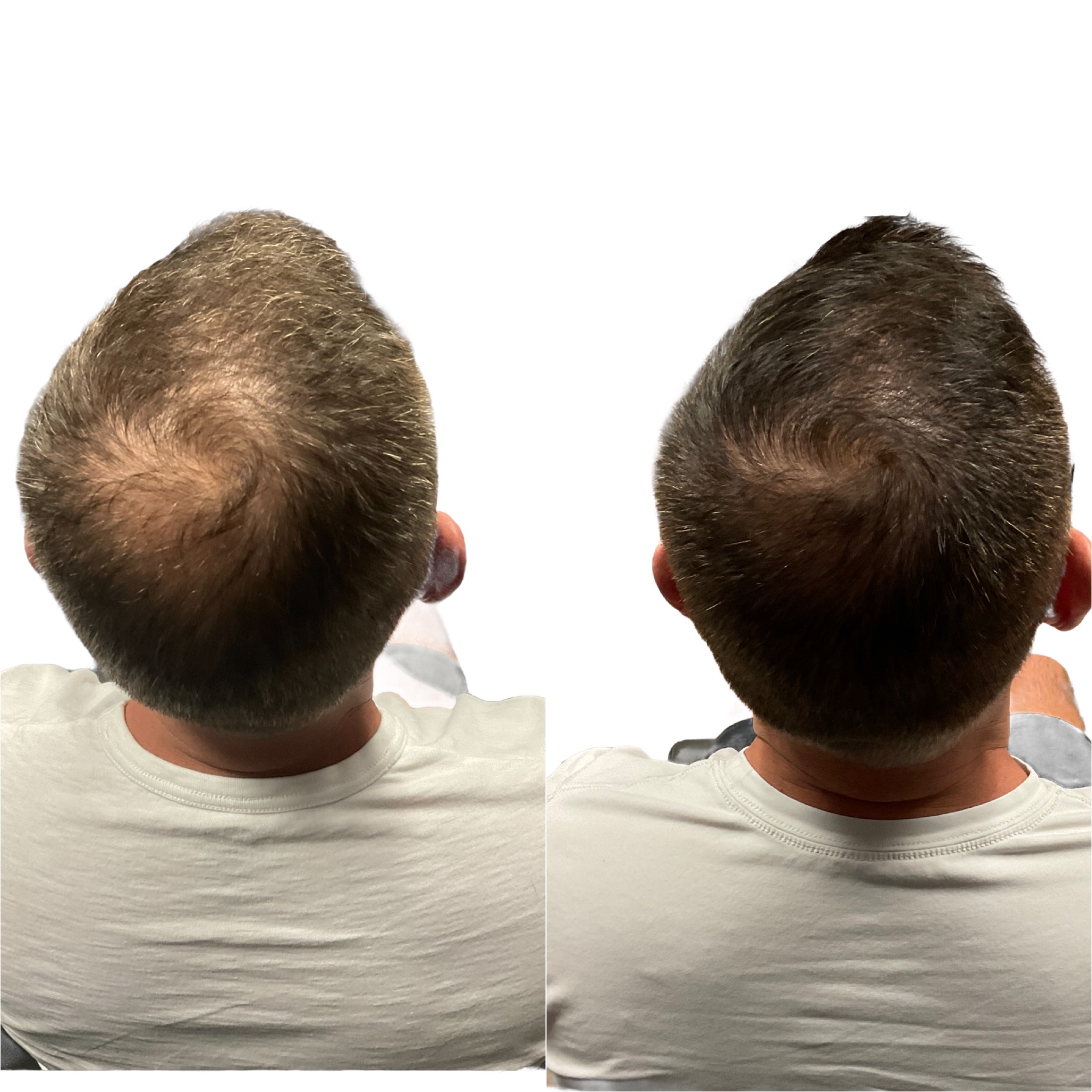
Beyond the under eyes, platelet-rich fibrin therapy is also highly effective for fine lines, skin texture irregularities, and overall facial rejuvenation. It can even support hair restoration by stimulating follicles and improving scalp health.
The versatility of PRF makes it a valuable addition to a comprehensive aesthetic plan.
A Modern Standard in Regenerative Care
The growing preference for PRF reflects a broader trend in aesthetics that values subtlety, sustainability, and science-backed results. Patients are no longer satisfied with temporary fixes. They want treatments that evolve with them.
PRF answers that demand by offering a refined, biologically intelligent solution. It supports the skin’s natural ability to repair itself, creating results that feel authentic and lasting.
For those seeking a treatment that combines modern innovation with natural beauty, PRF injections represent a compelling next step.
A Refined Path Forward
Every aesthetic journey is personal. The right treatment isn’t just about technology. It’s about how that technology is applied, customized, and guided.
Dr. Chow’s Rejuvenation Practice in Lee’s Summit, MO, approaches PRF treatment with a focus on precision and long-term outcomes. Each plan is tailored to the patient’s unique needs, allowing the benefits of natural skin rejuvenation to unfold in a way that feels effortless and refined.
For patients exploring the difference between PRP and PRF, this is where clarity meets expertise and where the next chapter of skin health begins.
Contact us today to book your consultation!