
HALO Laser Skin Resurfacing in
Lee’s Summit, MO
Quick Facts
Treatment Time
30 to 60 minutes plus about an hour of numbing
Downtime & Recovery
Redness and a sandpaper texture for 3 to 5 days
Results Timeline
Visible within about a week, continuing to improve over 3 to 6 months
Number of Sessions Needed
Often one, though a series is common for pigment concerns
Treatment Frequency
Maintenance every 1 to 2 years as needed
Next-Level Skin Renewal with HALO Laser Skin Resurfacing in Lee’s Summit, MO
Most people choosing a resurfacing treatment are making a trade between how much change they want and how much recovery they can accommodate. Light treatments fit easily into a schedule but ask for repetition, while fully ablative resurfacing produces the largest change and takes a fortnight of your life to do it.
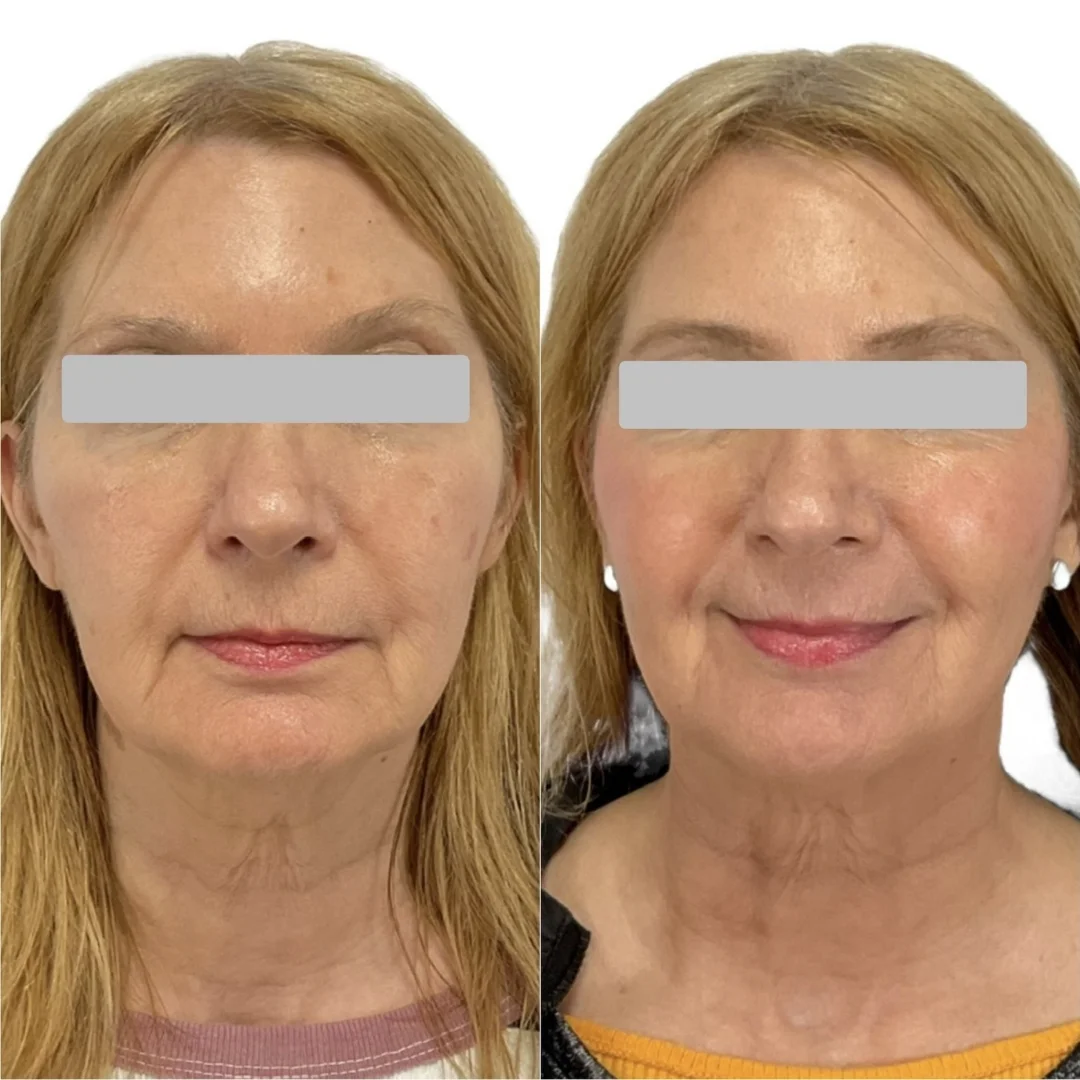
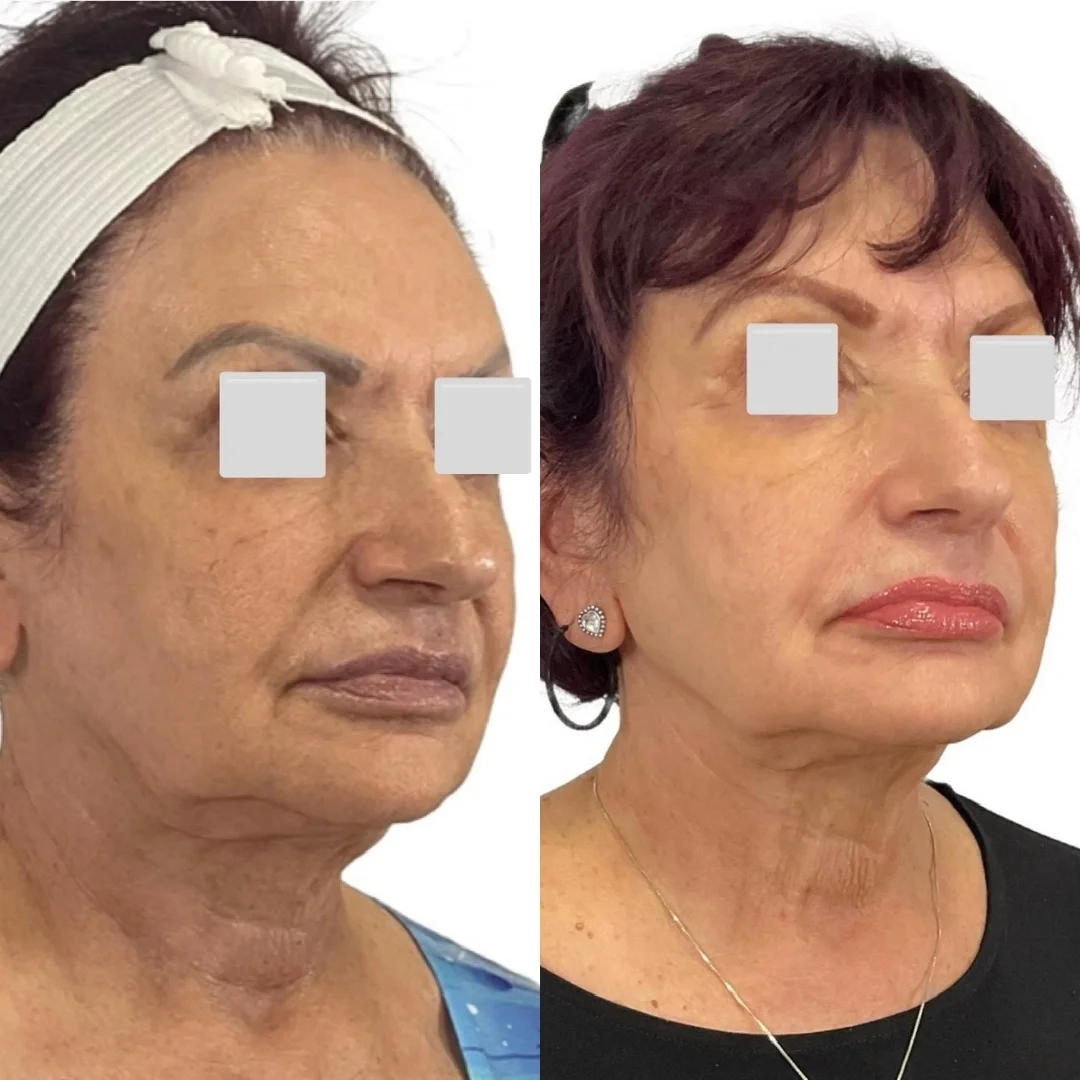
HALO sits deliberately between those two. At Amy Chow, MD Rejuvenation Practice in Lee’s Summit, MO, this hybrid laser delivers ablative and non-ablative energy in the same pass, which produces meaningful change to tone, texture, and pigment while keeping visible recovery to a few days rather than a couple of weeks.
What Is HALO Laser Skin Resurfacing?
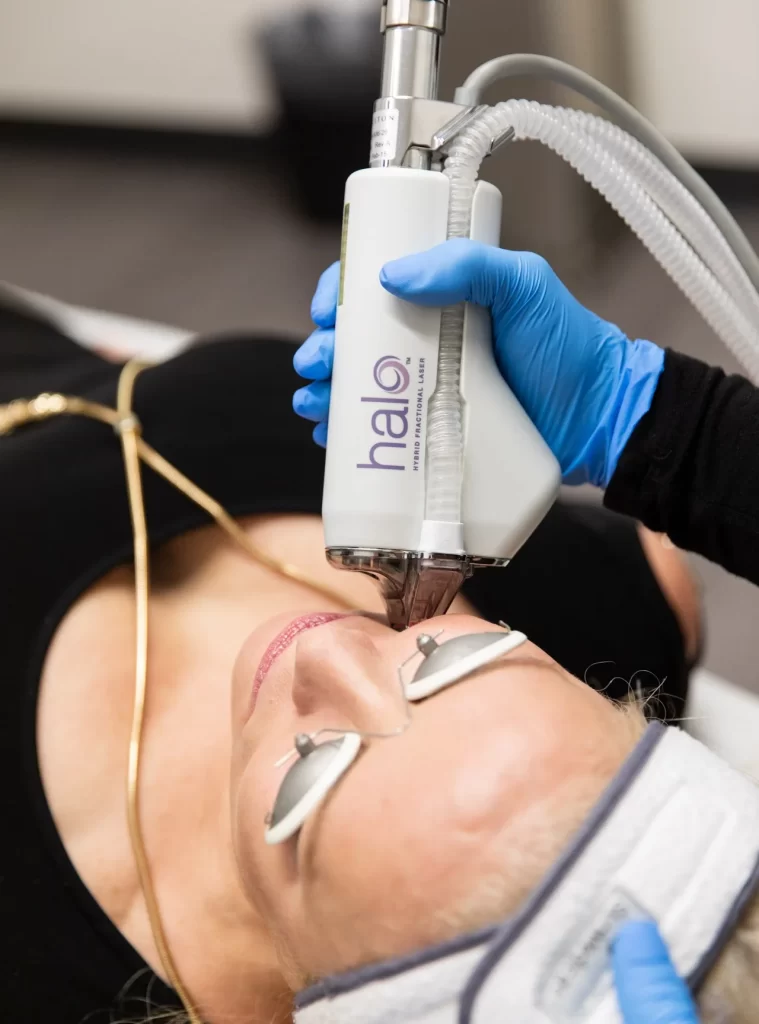
HALO is a hybrid fractional laser, which means it delivers two different wavelengths into the skin at the same time. One is ablative and works at the surface, removing damaged tissue to improve texture and tone directly. The other is non-ablative and travels deeper, heating the dermis to stimulate collagen without removing anything.
That combination is what makes it distinct. A purely ablative treatment such as CO2 resurfacing produces more dramatic change but requires the skin to fully resurface itself afterward. A purely non-ablative laser asks almost nothing of your schedule but works slowly and usually needs a series. HALO does a measured amount of both in a single session.
It is also highly adjustable. The intensity of each wavelength can be set independently, which means the same device can deliver a light treatment with two days of recovery or a considerably more aggressive one closer to a week. That flexibility is why the treatment is planned around your tolerance for downtime as much as around your skin concerns.
How Does HALO Laser Skin Resurfacing Work?
The laser passes over the skin, delivering both wavelengths in a fractional pattern, treating microscopic columns rather than the entire surface. The ablative wavelength removes tissue in the upper layers where sun damage and textural irregularity live, while the non-ablative wavelength heats the dermis underneath to trigger collagen production.
Because both happen simultaneously, the healing response works on two levels at once. Surface renewal produces the visible change patients notice in the first week, as damaged tissue is shed and replaced. Collagen remodeling develops much more slowly underneath, improving firmness and texture over the following months.
The characteristic result of that process is what patients call the HALO glow, which typically appears once peeling completes around day five to seven. Pigmented spots often darken before they clear, rising to the surface as small coffee-ground flecks before shedding away. This is expected, and it is the treatment doing exactly what it should.
Benefits of HALO Laser Skin Resurfacing in Lee’s Summit, MO
HALO tends to suit patients who want visible improvement without rearranging their life around it. It is the treatment most often chosen by people who found lighter options underwhelming but are not ready for full ablative resurfacing.
- Treats Surface and Depth in One Session: Two wavelengths address tone and texture at the surface while stimulating collagen underneath, which single-mode lasers cannot do simultaneously.
- Adjustable to Your Tolerance for Downtime: Intensity is set independently for each wavelength, so the same treatment can be tuned toward a faster recovery or a stronger result.
- Excellent for Sun Damage and Pigment: This is where HALO performs best, clearing accumulated discoloration and producing a noticeably more even complexion.
- Refines Texture and Pore Appearance: Smooths rough skin and reduces how prominent pores appear by improving the surrounding skin quality.
- Collagen Improvement That Continues for Months: The deeper wavelength drives remodeling that keeps improving firmness well after the surface has healed.
- Meaningful Results With Days, Not Weeks, of Recovery: Redness and flaking typically resolve within three to five days rather than the one to two weeks ablative resurfacing requires.
Areas HALO Laser Skin Resurfacing Treats
HALO is most often performed on the full face, though it can be used on any area showing sun damage or textural change. Areas off the face are treated more conservatively, since skin there heals more slowly than facial skin.
- Full Face: The standard treatment area, producing an even result rather than a treated zone that contrasts with untreated skin.
- Forehead: Addresses sun damage and early horizontal lines across a broad area.
- Around the Eyes (Periorbital Area): Treated at adjusted settings to improve crepiness and fine lines on thin skin.
- Cheeks: The largest area of most treatment plans and where pigment change is usually most visible.
- Nose: Refines pore appearance and rough texture.
- Perioral Area (Around the Mouth): Softens the fine vertical lines that form around the lips.
- Chin: Improves texture and mild scarring in a common site for hormonal breakouts.
- Jawline: Addresses texture and early laxity along the lower face.
- Neck: Treated conservatively, as neck skin is thinner and slower to heal than the face.
- Décolletage: Frequently treated alongside the face, since the chest often carries more accumulated sun damage.
- Hands: Improves sun spots and texture on skin that shows age early and is rarely protected.
- Arms: Treats sun damage and crepey texture on the forearms, which are exposed year-round and often overlooked.
Concerns HALO Laser Skin Resurfacing Treats
HALO is strongest on pigment and tone, and good on texture and early lines. Concerns rooted in bigger structural change generally need either a more aggressive resurfacing treatment or a different modality altogether, which is assessed at consultation.
- Fine Lines and Early Wrinkles: Softens lines that are still developing, while deeply etched lines respond better to fully ablative treatment.
- Sun Damage: The clearest indication for this treatment, clearing accumulated photodamage across the whole treated area.
- Sun Spots and Age Spots: Discrete pigmented lesions typically darken and then shed within the first week.
- Hyperpigmentation: Improves areas of excess pigment, including discoloration left behind by past breakouts.
- Melasma: May be treated in carefully selected patients. Melasma is heat-sensitive and can worsen with laser treatment, so it requires conservative settings, close assessment, and realistic expectations about recurrence.
- Uneven Skin Tone: Produces a more consistent complexion by treating the full area rather than spot by spot.
- Dull or Tired-Looking Skin: Restores the clarity and light reflection that accumulated damage dulls over time.
- Rough or Uneven Texture: Smooths surface irregularity that makes skin catch light unevenly.
- Enlarged Pores: Reduces how prominent pores appear by improving the firmness of surrounding skin.
- Mild Acne Scarring: Improves shallow textural scarring. Deeper atrophic scars are better addressed with CO2 resurfacing.
- Loss of Skin Elasticity: The collagen response improves firmness gradually, though established laxity needs a tightening treatment.
- Early Signs of Aging: Addresses change while it is still confined to the surface, before it becomes structural.
- Overall Skin Clarity and Radiance: The characteristic HALO glow reflects genuine improvement in the quality of the skin.
Am I a Candidate for HALO Laser Skin Resurfacing?
The strongest candidates have sun damage, uneven tone, or textural concerns and want a visible result without committing to a two-week recovery. HALO suits patients who have tried lighter treatments such as microneedling or IPL and found the improvement smaller than they hoped for.
Because the treatment is adjustable, it also suits people who need to work around a specific date. Treatment can be dialed down for a faster recovery, accepting a smaller result, or dialed up when the calendar allows. That conversation happens at consultation, and it genuinely changes the plan.
Skin tone matters here, as it does with any laser that removes tissue. HALO is generally better tolerated across a wider range of skin types than fully ablative resurfacing, but pigment risk still rises with deeper skin tones and requires conservative settings and sometimes a pre-treatment regimen. Treatment should be deferred if you are pregnant or nursing, have taken isotretinoin recently, have an active infection or cold sore, or have recent sun exposure. Suitability is confirmed by Dr. Amy Chow, MD, at consultation.
What to Expect During HALO Laser Skin Resurfacing
The appointment begins with cleansing and a topical anesthetic applied for around an hour. That numbing period is longer than most treatments require, and it is worth arriving expecting it rather than being surprised by the wait.
Treatment itself takes thirty to sixty minutes depending on the area. The device is passed over the skin in sections, and most patients describe the sensation as prickly heat rather than sharp pain, helped by the cooling the handpiece provides. Your face will feel hot afterward, similar to a strong sunburn, and that settles over the first few hours.
For the next few days, expect redness, swelling that peaks around day two, and skin that develops a distinctly sandpapery texture as the treated columns work their way to the surface. Pigmented areas often look darker before they clear. Flaking begins around day three and finishes by roughly day five to seven, and most patients are comfortable in public with makeup from about day four.

Pre-Treatment Instructions for HALO Laser Skin Resurfacing
Preparation reduces both your pigment risk and your recovery time, and the sun exposure item matters more than patients expect. The following applies in the weeks before your appointment at our Lee’s Summit practice.
- Avoid Sun Exposure for Four Weeks: Treating tanned skin substantially increases the risk of pigment change afterward. Reschedule rather than proceed if you have caught the sun.
- Stop Retinoids and Exfoliating Acids: Discontinue retinoids, glycolic acid, and similar products five to seven days beforehand unless directed otherwise.
- Mention Any History of Cold Sores: Antiviral medication is commonly prescribed before treatment near the mouth, since laser resurfacing can trigger an outbreak.
- Plan Around Your Calendar: Book at least two weeks before any event that matters. Skin is presentable with makeup around day four but is not fully settled until later.
- Arrive With Clean Skin: Come without makeup or sunscreen on the treatment area, and allow the full hour for numbing on top of your appointment time.
Post-Treatment Care for HALO Laser Skin Resurfacing
The first week determines how well your result comes through, and the single most important instruction is to leave the flaking skin alone. Contact the practice if you develop increasing pain, spreading redness, blistering, or any sign of infection.
- Do Not Pick or Exfoliate the Flaking Skin: Let it shed on its own. Picking freshly resurfaced skin is the most common cause of scarring and pigment change after this treatment.
- Keep the Skin Hydrated: Apply the recommended moisturizer frequently through the first week, since the skin will feel tight, dry, and rough as it heals.
- Wear Broad-Spectrum SPF 30 or Higher Daily: Begin as soon as the skin tolerates it and continue without exception. Newly resurfaced skin pigments readily for months.
- Cleanse Gently With Lukewarm Water: Use only a mild cleanser with no scrubbing, no washcloths, and nothing containing active ingredients.
- Avoid Heat and Heavy Sweating for a Week: Skip saunas, hot tubs, strenuous exercise, and swimming, as heat and sweat prolong swelling and raise irritation risk.
How Long Do HALO Laser Skin Resurfacing Results Last?
Initial improvement is visible within about a week, once flaking completes and the treated skin has resurfaced. The collagen response continues developing for three to six months afterward, so firmness and texture keep improving well past the point most patients consider themselves finished.
Results typically hold for a year or more, and often considerably longer for patients who protect their skin. What shortens that timeline is new sun damage, which is why daily sunscreen after this treatment is not routine advice but the specific thing that determines how long you keep what you paid for. You can see representative outcomes in our before and after gallery.
Many patients treat once and then maintain with lighter options rather than repeating HALO annually. Others with significant accumulated pigment do best with a series of two or three sessions before moving into maintenance.
What Treatments Is HALO Best Paired With?
HALO addresses the surface and mid-depth of the skin, which leaves room for treatments working either shallower or deeper. Several are commonly performed in the same visit.
- Broadband Light (BBL Hero): Frequently performed in the same appointment, with BBL clearing surface pigment and redness before HALO resurfaces. The combination is one of the most common in laser practice.
- CO2 Skin Resurfacing: The step up in intensity for patients whose concerns turn out to need more than HALO can deliver, particularly deeper acne scarring.
- CoolPeel: A lighter option used for maintenance between HALO treatments, with almost no downtime.
- Morpheus8 Burst: Radiofrequency microneedling that tightens at a depth laser does not reach, addressing laxity rather than surface quality.
- HydraFacial: Gentle cleansing and hydration used to maintain skin quality once healing is complete.
How HALO Compares to Other Resurfacing Treatments
The treatments below sit at different points on the same scale, trading recovery time against depth of result. This comparison is intended to help you place HALO among them rather than to rank them.
Treatment | Primary Purpose | Typical Downtime | Best For |
|---|---|---|---|
HALO Laser | Hybrid ablative and non-ablative resurfacing | 3 to 5 days | Sun damage, tone, texture, early lines |
CO2 Skin Resurfacing | Fully ablative resurfacing | 1 to 2 weeks | Deep lines, acne scarring, advanced sun damage |
CoolPeel | Superficial CO2 resurfacing | 1 to 2 days | Maintenance and mild texture concerns |
BBL Hero | Light-based treatment for pigment and redness | Minimal | Surface pigment and vascular concerns |
Morpheus8 Burst | Radiofrequency microneedling at depth | 2 to 3 days | Laxity rather than surface texture |
Why Choose Amy Chow, MD, Medical Practice for HALO Laser Skin Resurfacing in Lee’s Summit, MO?
The value of an adjustable laser depends entirely on whether the person setting it understands what you actually need. Amy Chow, MD Rejuvenation Practice treats that calibration, and the honest conversation about downtime that precedes it, as the substance of the treatment.
- Physician-Led Treatment Planning: Dr. Amy Chow, MD, is a board-certified anesthesiologist and cosmetic surgeon with more than twenty years of medical experience and over a decade of advanced aesthetic training, and she oversees every resurfacing plan personally.
- A Dedicated Laser Provider: Treatment is delivered by Lena, BSN, the practice’s laser technician, whose nursing background supports both the clinical protocol and the aftercare that shapes your result.
- Settings Matched to Your Calendar as Well as Your Skin: Because HALO intensity is adjustable, treatment is planned around how much recovery you can genuinely accommodate rather than a standard protocol.
- The Right Intensity, Not the Only One Available: With CoolPeel, HALO, CO2, and BBL all in-house, HALO is recommended when it is the correct depth rather than because it is what the practice offers.
- Honest Guidance on Skin Type and Pigment Risk: Where skin tone or a history of pigmentation makes a different treatment safer, you will be told so directly at consultation.
Areas We Serve
Patients travel to our Tudor Road practice from across eastern Jackson County and the wider Kansas City metro. The practice sits just off Highway 50 in Lee’s Summit, within a short drive of Blue Springs, Greenwood, and Raymore, and is easily reached from both sides of the state line.
- Blue Springs
- Independence
- Raytown
- Grandview
- Raymore
- Belton
- Greenwood
- Grain Valley
- Overland Park, KS
- Kansas City, MO
Frequently Asked Questions
Does the HALO laser actually work?
Yes, and the reason is the dual-wavelength approach. Because HALO treats both the surface and the deeper dermis in the same pass, it improves tone and texture immediately while also driving collagen renewal underneath. Patients typically see clear improvement within a week and continue improving for several months. It is most effective for sun damage and uneven tone, and less effective for deep scarring or established laxity.
How much does HALO laser skin resurfacing cost in Lee’s Summit, MO?
Cost depends on the area being treated and the intensity selected, since a light treatment and a more aggressive one differ in both time and result. A specific quote is provided at consultation once your skin has been assessed and your plan defined. The practice offers financing through Cherry, PatientFi, and CareCredit, which allows treatment to be spread over time. Options are discussed at your consultation.
Is HALO laser skin resurfacing safe?
HALO has a well-established safety record and is generally tolerated across a wider range of skin types than fully ablative resurfacing, because the ablative component is more limited. The risks that exist relate mainly to pigment change, prolonged redness, and, rarely, infection or scarring. Careful candidacy assessment, appropriate settings for your skin type, and disciplined aftercare are what keep those risks low.
Is HALO safe for darker skin tones?
HALO can often be performed safely on deeper skin tones at conservative settings, and it is generally a better option than fully ablative resurfacing for Fitzpatrick types IV and above. That said, any treatment that removes tissue carries a risk of post-inflammatory hyperpigmentation, and that risk rises with skin tone. A pre-treatment regimen is sometimes recommended beforehand, and where the risk is not acceptable, you will be directed toward a treatment that carries less of it.
Is HALO good for older skin?
HALO works well for mature skin, particularly where the main concerns are accumulated sun damage, uneven tone, and loss of radiance. It improves fine lines and early laxity through collagen stimulation. Where lines have become deeply etched, or skin has descended rather than simply lost quality, resurfacing alone will not correct it and a more substantial treatment is the honest recommendation.
How long does it take to see results from the HALO laser?
Initial improvement is usually visible within about a week, once flaking completes and the newly resurfaced skin is exposed. That is when patients typically notice the characteristic glow. Improvement continues for three to six months as collagen remodels underneath, so the result at four months is generally better than at four weeks.
What is the downtime like for the HALO laser?
Expect redness and swelling in the first two days, with swelling usually peaking on day two. From around day three the skin develops a sandpapery texture and begins flaking, which finishes by roughly day five to seven. Most patients are comfortable wearing makeup in public from about day four. Pigmented spots often darken before they clear, which is expected rather than a problem.
How many HALO laser treatments are needed?
Many patients see substantial results from a single session, particularly where the main concern is texture or general dullness. Significant accumulated pigment often does better with a series of two or three treatments spaced several weeks apart. Because intensity is adjustable, some patients also choose two lighter sessions over one stronger one to reduce downtime.
What is the difference between HALO and CO2 laser resurfacing?
The difference comes down to intensity and downtime. HALO is the better fit for tone, texture, pigment, and early signs of aging, with three to five days of visible recovery. CO2 resurfacing is fully ablative and better suited to deeper wrinkles and significant acne scarring, and it asks for one to two weeks in return. Dr. Chow offers both, so the choice is made at consultation based on how much change you need and how much recovery you can accommodate.
How long do HALO results last?
Results typically hold for a year or more, and often considerably longer for patients who protect their skin from the sun. The collagen improvement continues developing for three to six months after treatment, so the result at four months is generally better than at four weeks. What shortens the timeline is new sun damage, which is why daily sunscreen afterward is the single largest factor in how long you keep the result.
When can I wear makeup after HALO?
Most patients are able to wear makeup from around day four, once the initial swelling has settled and flaking is underway. Waiting until the skin has finished actively peeling gives a better finish and avoids the temptation to rub or exfoliate while applying it. Use clean brushes and a gentle mineral formulation for the first week rather than anything heavy or long-wearing, and continue applying sunscreen underneath.
Is anesthesia or numbing required for HALO?
A topical numbing cream is applied for around an hour before treatment, which is longer than most treatments require. No injections or general anesthesia are involved. Most patients describe the treatment as prickly heat rather than sharp pain, and the handpiece provides cooling throughout. Your face will feel hot for a few hours afterward, similar to a strong sunburn.
How should I care for my skin after HALO laser skin resurfacing?
Do not pick or exfoliate the flaking skin under any circumstances, as this is the most common cause of scarring and pigment change afterward. Keep the skin well hydrated with the recommended moisturizer, cleanse gently with lukewarm water and nothing active, and begin broad-spectrum SPF 30 or higher as soon as the skin tolerates it. Avoid heat, saunas, strenuous exercise, and swimming for about a week. Full instructions appear in the pre-treatment and post-treatment sections above, and you will receive them in writing.
The Middle Ground, and Why It Suits Most People
Most patients arriving to discuss resurfacing are not sure which intensity they need, and that is a reasonable place to start rather than something to work out beforehand. What matters is being honest about how much recovery you can genuinely accommodate, because that shapes the plan as much as your skin does.
Dr. Amy Chow, MD, and the team see patients from across Lee’s Summit and the greater Kansas City area. Call 816-600-6236 or reach us through our contact page to arrange a consultation. We are located at 296 NE Tudor Road, Lee’s Summit, MO 64086.
Visit the Practice
- Monday Closed
- Friday 9:00 AM - 5:00 PM
- Tuesday 9:00 AM - 5:00 PM
- Saturday 9:00 AM - 2:00 PM
- Wednesday 9:00 AM - 5:00 PM
- Sunday Closed
- Thursday 11:00 AM - 7:00 PM